

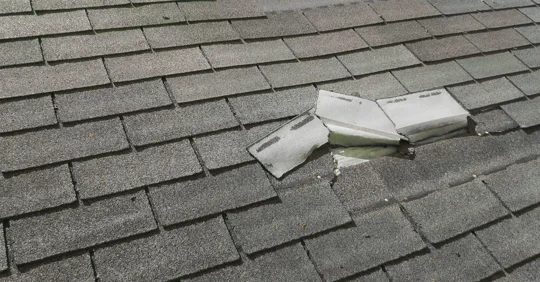
Winter weather can be tough on your roof. Cold temperatures, ice, and snow put extra stress on shingles, making them more likely to crack, curl, or come loose. If you don't catch these problems early, small issues can turn into big headaches like leaks, water damage, and expensive repairs. The good news? You can spot many shingle problems from the ground or with a quick inspection, and knowing what to look for can save you thousands of dollars.
Don't wait until a small crack becomes a costly leak. If you've noticed damaged shingles or just want peace of mind this winter, reach out to Trinity Services today. Contact us online or call (865) 459-2365 to schedule an inspection before the damage spreads.
Why Winter Is Hard on Your Shingles
Winter creates unique challenges for roofing materials. Understanding these challenges helps you know what to watch for during the colder months.
Shingles are designed to expand and contract slightly with temperature changes. But when temperatures drop quickly or stay below freezing for days, shingles become brittle and stiff. This makes them more likely to crack under pressure from ice or wind. Additionally, the freeze-thaw cycle causes major problems. When snow melts during the day and refreezes at night, water gets under shingles and expands as it turns to ice. This expansion pushes shingles apart and can break the seal that keeps water out.
Ice dams are another winter threat. These ridges of ice form at the edge of your roof when heat from your attic melts snow. The water runs down and refreezes at the colder eaves, creating a dam. Water backs up behind the dam and can seep under shingles, causing leaks and rot.
Common winter shingle problems include:
- Cracked or split shingles from freezing temperatures
- Curled edges from repeated freeze-thaw cycles
- Missing shingles blown off by winter storms
- Granule loss that exposes the underlying material
- Lifted or unsealed shingles from ice expansion
How to Safely Inspect Your Roof in Winter
Safety comes first when checking your roof during winter. You don't need to climb onto your roof to spot most problems, and in fact, climbing on a cold or icy roof is dangerous and should be avoided.
Start with a visual inspection from the ground. Use binoculars to get a closer look at your shingle roofing without risking a fall. Walk around your entire house and look at the roof from different angles. Pay special attention to areas that get the most sun exposure and spots where ice tends to build up.
Check your attic on a sunny day. Go inside and look at the underside of your roof decking. If you see daylight coming through or notice dark stains, you may have damaged or missing shingles. These are clear signs that water could get in during the next storm.
Look for these warning signs during your inspection:
- Shingles that appear darker or discolored compared to surrounding areas
- Visible cracks or splits in shingles
- Curled or cupped shingle edges
- Missing shingles or bare patches
- Granules collecting in gutters or downspouts
- Sagging areas on the roof surface
- Icicles or ice dams forming along the roof edge
Common Types of Winter Shingle Damage
Different types of damage require different approaches to repair. Learning to identify each type helps you communicate clearly with roofing professionals and understand the urgency of repairs.
Cracking and splitting happen when shingles become too brittle from cold. You'll see visible lines running across shingles, either straight or branching out like tree roots. These cracks let water seep through to the underlayment and decking below. Even small cracks should be addressed because they'll grow larger with each freeze-thaw cycle.
Curling occurs when shingle edges lift up or the center of the shingle rises like a bubble. This usually means the adhesive seal has failed or the shingle has absorbed moisture. Curled shingles catch wind easily and are often the first to blow off during storms. They also create gaps where water and ice can enter.
Missing shingles are the most obvious problem. You'll see dark patches where the underlayment shows through, or you might find shingles in your yard after a storm. Even one missing shingle creates a vulnerable spot where water can damage your roof deck and eventually leak into your home.
Granule loss shows up as smooth, shiny patches on your shingles or piles of sandy material in your gutters. Granules protect shingles from UV damage and help them shed water. Without this protective layer, shingles deteriorate much faster and become more prone to leaks.
When to Call a Professional vs. DIY Repairs
Some shingle repairs are straightforward, while others need professional expertise. Knowing the difference helps you make smart decisions about your roof's health.
Call a professional for these situations:
- Damage covering more than a few scattered shingles
- Problems near roof valleys, chimneys, or vents
- Any repair that requires walking on the roof during winter
- Structural concerns like sagging or soft spots
- Ice dam removal or prevention
- Damage from fallen tree limbs or severe storms
Minor issues you might handle yourself include replacing one or two loose shingles if you can safely access them from a ladder, or temporarily sealing a small crack with roofing cement until spring when permanent roof repair can be completed. However, even these simple fixes should only be attempted in good weather conditions and if you're comfortable working at heights.
Keep in mind that attempting repairs yourself during winter can be dangerous. Cold, icy conditions make roofs extremely slippery, and shingles are more brittle and likely to break underfoot. Most roofing professionals recommend waiting for warmer weather unless the damage is causing active leaks.
Emergency Temporary Fixes for Winter Leaks
If you discover a leak during winter, quick action can prevent further damage while you wait for permanent repairs. These temporary solutions won't replace proper roofing work, but they'll protect your home until conditions improve.
For active leaks inside your home, place buckets to catch dripping water and move furniture and belongings away from the affected area. Use towels to soak up standing water and run a dehumidifier to prevent mold growth. In your attic, place a tarp or plastic sheeting under the leak to direct water away from insulation and toward a collection point.
From outside, you may be able to apply temporary measures if conditions are safe. Roofing cement or sealant can fill small cracks or seal around lifted shingles. Apply it according to package directions, making sure the surface is as dry and clean as possible. Some products are specifically designed for cold-weather application.
For larger damaged areas, a heavy-duty tarp can provide temporary protection. Secure it carefully to prevent wind damage, but be aware that tarps are a very temporary solution and should be replaced with proper repairs as soon as possible.
Emergency supplies to keep on hand:
- Heavy-duty tarps and rope or bungee cords
- Roofing cement rated for cold weather
- Caulk gun and roofing sealant
- Buckets and towels for interior leak management
- Flashlight or headlamp for attic inspections
Preventing Future Winter Shingle Damage
The best approach to winter shingle damage is prevention. Taking a few steps before winter arrives can help your roofing withstand harsh conditions.
Schedule a professional roof inspection every fall. A trained eye can spot minor problems before they become major issues. Roofers can replace worn shingles, reseal areas that have come loose, and ensure your roof is ready for winter weather.
Keep your gutters clean and functioning properly. Clogged gutters cause water to back up under shingles and contribute to ice dam formation. Clear them out before the first freeze and make sure downspouts direct water away from your foundation.
Improve attic ventilation and insulation. Proper ventilation keeps your attic temperature closer to the outdoor temperature, reducing the melting and refreezing that causes ice dams. Good insulation prevents heat from your living spaces from warming the attic too much.
Trim overhanging tree branches before winter storms arrive. Branches weighted down with ice and snow can break and fall onto your roof, causing immediate damage. Keeping trees trimmed also reduces the amount of debris that collects on your roof and in your gutters.
Protect Your Home This Winter
Winter shingle damage doesn't have to mean disaster for your home. By knowing what to look for, conducting regular visual inspections, and addressing problems quickly, you can keep your roof in good shape all season long. Remember that your roof is your home's first line of defense against winter weather, and small investments in maintenance now can prevent expensive repairs later.
Spotted shingle damage or want a professional assessment before the next storm? Trinity Services is here to help Eastern Tennessee homeowners protect their most valuable investment. We provide thorough inspections and reliable repairs that stand up to winter weather. Schedule your inspection today or call (865) 459-2365 to speak with our roofing team.