

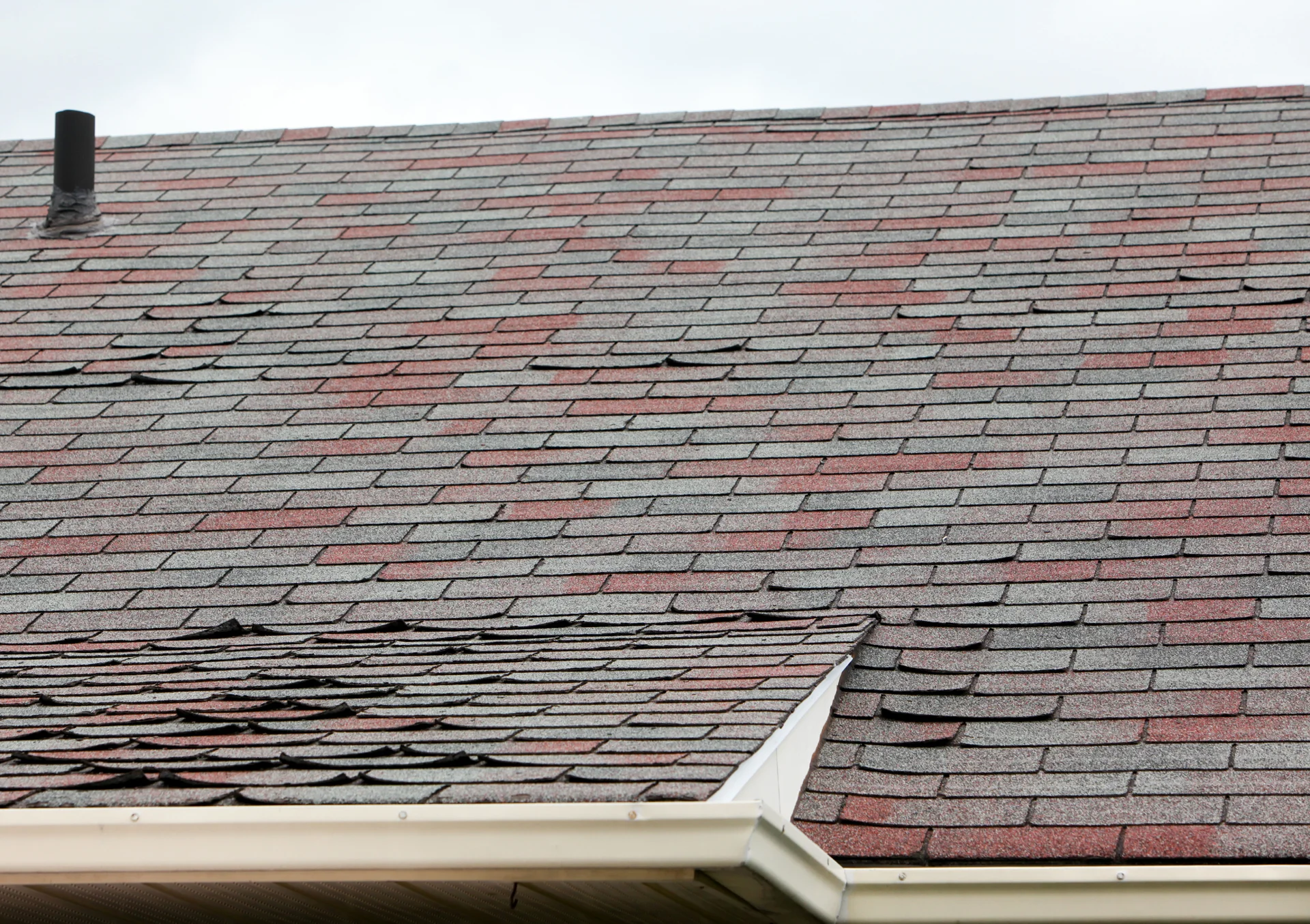
When a major storm rolls through East Tennessee, the first thing most people do is look out the window for fallen trees or missing shingles. While large-scale destruction is easy to spot, the most dangerous types of storm damage are often the ones you cannot see from your driveway. These silent issues can linger for months, slowly weakening your home's structure.
The Subtle Clues of Shingle Bruising
Hail damage is notoriously difficult to identify because it does not always leave a hole in your roof. Instead, hailstones often cause what professionals call "bruising." This happens when the impact of the hail compresses the fiberglass mat inside the shingle. Over time, the area becomes soft, similar to a bruise on an apple, which eventually leads to a leak.
You might not see a single shingle missing, but the protective layer is already failing. Once the internal structure of the shingle is cracked, water can seep through during the next rain. This type of damage is often invisible to the naked eye until a professional gets up close to feel for soft spots.
To spot potential bruising from the ground, keep an eye out for these signs:
- Dark, circular spots on the roof that look like a shadow or a smudge.
- Dents on soft metal surfaces like your gutters, downspouts, or mailbox.
- Small pits or "pockmarks" on your air conditioning unit’s metal fins.
- Shingle granules (small colored pebbles) are collecting in your gutters or at the base of downspouts.
Wind Lift and Broken Shingle Seals
High winds do not always tear shingles off the roof entirely. Often, the wind will simply lift the edge of the shingle just enough to break the adhesive seal underneath. Once this seal is broken, the shingle may settle back into place, looking perfectly normal to anyone watching from below.
The problem is that a shingle with a broken seal is no longer watertight. Wind-driven rain can now blow underneath the shingles and reach the wood deck of your roof. Additionally, once a shingle has been lifted once, it is much easier for the next storm to catch it and pull it off completely.
You can look for these hidden wind issues by checking for:
- Shingles that appear slightly puffy or don't sit as flat as the others.
- Creases or thin lines across the top of a shingle where it has folded back.
- Lifted flashing around the chimney or vents that looks slightly bent.
- New drafts or whistling sounds inside the attic on a windy day.
Water Trails and Hidden Attic Moisture
Storm damage often reveals itself inside the home long before it causes a major flood. Small leaks can travel along the rafters in your attic, meaning the water might enter the roof on one side of the house but show up as a ceiling stain on the other. If you wait until you see a large brown spot on your ceiling, the wood inside your walls may already be starting to rot.
It is a good idea to visit your attic with a flashlight after a heavy storm. Look at the underside of the roof deck for any dark streaks or damp spots. Even if it is not dripping, moisture in the attic can lead to mold growth that affects your family's health and the air quality of your home.
When checking your home's interior, watch for these subtle changes:
- Bubbling or peeling paint near the top of your walls.
- A musty or damp smell in rooms that are usually dry.
- Faint yellow or gray stains on the ceiling that seem to grow after it rains.
- Wallpaper that starts to peel away at the seams near the ceiling.
Gutter and Siding Stress Points
While everyone focuses on the roof, your siding and gutters often take the brunt of wind and hail. Siding panels can become loose or warped, creating small gaps where pests and water can enter. Similarly, heavy rains can pull gutters away from the house, causing water to overflow and soak into your foundation instead of being carried away safely.
If your gutters are sagging or have visible dents, it is a strong indicator that the roof above them also took a hit. Gutters are often made of thinner metal than your roofing components, so they serve as an "early warning system" for storm damage. If they are dinged up, your shingles likely have similar impact damage.
Check these exterior areas for storm stress:
- Gaps between the siding panels and the window frames.
- Gutters that are no longer sloped toward the downspouts.
- Dents in the siding that are only visible when the sun hits them at an angle.
- Cracks in the foundation or pooling water near the base of the house.
Protecting Your Property From Long-Term Decay
Ignoring the small signs of a storm can lead to much larger expenses down the road. Water that enters through a tiny shingle bruise today can cause structural rot and mold that costs thousands to fix next year. Taking the time to perform a thorough inspection after a storm is the best way to catch these issues while they are still manageable and easy to repair.
At Trinity Services, we specialize in identifying these silent threats through our comprehensive storm damage restoration services. Whether your home needs targeted roof leak repairs or a full roof replacement, we focus on property-first care to ensure your house remains safe and secure. We also provide specialized siding services and gutter services to ensure your home's entire exterior envelope is protected from the elements.
Don't wait for a small drip to become a major disaster. Contact the experts at Trinity Services today at (865) 459-2365 or visit our online contact form to schedule a professional storm damage assessment. We are here to provide the honest, technical support you need to keep your home in top condition.