

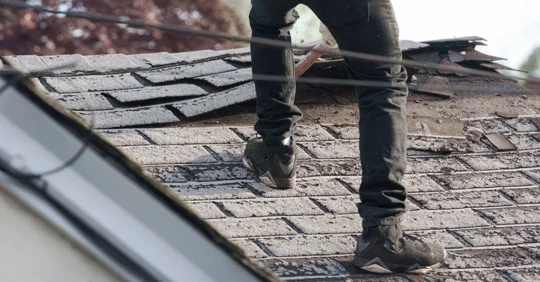
When you think about replacing your roof, winter probably isn't the first season that comes to mind. Most homeowners picture contractors working under bright summer skies, not during cold January mornings. But if your roof is showing serious signs of damage—missing shingles, leaks, or sagging areas—waiting for warmer weather might not be your best option. In Eastern Tennessee, winter weather can be unpredictable, but that doesn't mean roof replacement projects come to a complete halt.
Don't let roof damage get worse while you wait. If you're dealing with leaks or missing shingles, Trinity Services can help you understand your options and timeline. Contact us today or call (865) 459-2365 to schedule an inspection and protect your home before more damage occurs.
What Makes Winter Roofing Different in Eastern Tennessee?
Eastern Tennessee winters are mild compared to northern states, but they still bring challenges for roof work. Temperatures typically range from the 30s to 50s during the day, with occasional dips below freezing at night. You might see snow, ice, freezing rain, or just cold, cloudy days. These conditions affect how roofing materials perform and how safely contractors can work.
The biggest concern with winter roof replacement is temperature. Asphalt shingles—the most common roofing material in our area—need warmth to seal properly. When shingles are installed, they have a sticky backing that bonds to the layer below. This adhesive works best when temperatures stay above 40-45 degrees Fahrenheit. In colder weather, shingles become stiff and brittle, making them harder to work with and slower to seal.
However, this doesn't mean winter installations are impossible. Experienced roofing contractors know how to work around these limitations:
- Checking weather forecasts carefully to choose the warmest days available
- Using hand-sealing techniques to help shingles bond in cooler temperatures
- Storing materials in warm areas before installation
- Planning shorter work windows to maximize daylight and temperature
When Winter Roof Replacement Makes Sense
There are several situations where replacing your roof in winter isn't just acceptable—it's actually necessary. If your roof has significant damage, waiting several months for spring could lead to much bigger problems and higher costs.
Emergency situations that require immediate attention include active leaks causing interior water damage, large sections of missing shingles exposing your roof deck, structural damage like sagging or visible holes, and storm damage that's compromised your home's protection. Water damage doesn't pause for better weather. A small leak in December can turn into thousands of dollars in mold remediation, ceiling repairs, and ruined insulation by March.
Insurance claim deadlines also matter. Many homeowners don't realize their insurance policies have strict timeframes for filing claims after storm damage. If a fall storm damaged your roof, you might need to complete repairs within a certain window to receive coverage. Waiting for spring could mean paying out of pocket for damage that insurance would have covered.
Scheduling advantages can work in your favor during winter months. Roofing companies typically have lighter schedules between November and February, which means you might get faster service and more flexible scheduling. Your project won't be competing with dozens of others waiting in line.
The Challenges You Should Know About
Being honest about winter roofing challenges helps you make informed decisions. While winter replacements are possible, they do come with some real considerations that affect timing, cost, and project flow.
Weather delays are the most common issue. Even in Eastern Tennessee's relatively mild winters, you'll have stretches of rain, ice, or temperatures too cold for proper installation. Your contractor might schedule your project for a specific week, but actual work days depend on conditions. This means your project timeline needs flexibility built in.
Material limitations also play a role. Cold temperatures make shingles fragile and harder to cut accurately. Some sealants and adhesives don't work as well below certain temperatures. Your contractor might need to use special techniques or products designed for cold-weather application, which can add time to the installation process.
Safety concerns increase when temperatures drop. Ice on the roof surface creates slip hazards for workers. Shorter daylight hours mean less time for safe work. Professional contractors prioritize crew safety, which might mean pausing work when conditions become risky—even if temperatures are technically warm enough for materials.
Potential cost increases vary by contractor and situation. Some companies charge slightly more for winter work because of the extra precautions, specialized techniques, and increased time required. However, others offer off-season discounts that offset these factors. It's worth asking about pricing differences when you get estimates.
How to Prepare for a Winter Roof Replacement
If you've decided winter replacement is your best option, taking the right preparation steps helps your project go smoothly despite the season's challenges.
Start with a thorough inspection
Before committing to a winter replacement, get a professional assessment of your roof's condition. A qualified inspector can tell you whether your situation truly requires immediate action or if you can safely wait. They'll also spot any underlying issues—like damaged decking or inadequate ventilation—that need addressing during replacement. You can learn more about what inspectors look for with professional roof inspections.
Choose the right contractor
Not all roofing companies have experience with cold-weather installations. Look for contractors who:
- Have specific training in winter roofing techniques
- Carry proper insurance and licensing
- Can provide references from previous winter projects
- Offer clear warranties that cover cold-weather installations
- Communicate honestly about realistic timelines and weather delays
Plan for interior protection
Even with experienced crews, roof replacement temporarily removes your home's protective barrier. Make sure your contractor discusses how they'll protect your attic and interior spaces if weather changes mid-project. Ask about tarping procedures and how quickly they can secure your home if work needs to stop suddenly.
Stay flexible with timing
Winter projects require patience and understanding. Your contractor might need to reschedule work days based on weather conditions. This flexibility protects both the quality of your installation and the safety of the crew. Projects that might take three consecutive days in summer could stretch across two weeks in winter, with work happening only on suitable days.
Alternatives If You Can Wait
If your roof damage isn't severe and you have the option to wait for warmer weather, spring and fall are typically the ideal seasons for roofing projects in Eastern Tennessee. Temperatures stay consistently warm enough for proper shingle sealing, you'll have longer daylight hours for work, and contractors can usually complete projects without weather interruptions.
However, waiting only makes sense if your roof can safely protect your home until then. Even minor leaks can cause major problems over several months. A qualified contractor can help you assess whether temporary repairs might buy you time until better weather arrives or whether full replacement truly can't wait.
Making the Right Decision for Your Home
Deciding whether to replace your roof in winter comes down to your specific situation. There's no one-size-fits-all answer. The severity of your damage, your budget, your insurance situation, and your timeline all matter.
The most important step is getting expert advice from a qualified roofing professional who can honestly assess your needs. They can explain your options, discuss timing considerations, and help you understand the trade-offs between winter installation and waiting for spring.
Remember that while winter roof replacement presents some challenges, it's far better than allowing serious damage to worsen. Modern roofing techniques and materials have made cold-weather installation much more reliable than it was years ago. With the right contractor and proper planning, you can get a quality roof replacement even during Eastern Tennessee winters.
Get Expert Guidance on Your Roof Replacement Timeline
Whether you're dealing with emergency damage or planning ahead, Trinity Services can help you make the right decision about timing your roof replacement. Our experienced team understands Eastern Tennessee weather patterns and knows how to safely complete quality installations year-round.
Don't wait until a small problem becomes a big disaster. Contact Trinity Services today or call (865) 459-2365 to schedule an inspection. We'll give you an honest assessment of your roof's condition and help you understand whether winter replacement makes sense for your situation.