When most homeowners hear “mold,” alarm bells go off—and understandably so. Mold in the home can damage materials, reduce air quality, and even trigger health concerns. But what often causes confusion is the difference between mold testing and mold mitigation—and where companies like Trinity Services come into play. We don’t offer mold testing, but we do provide mold inspection and remediation (mitigation), and knowing the distinction can help you make smart decisions.
Understanding the Terms
Mold testing (sometimes called mold assessment or mold sampling) generally refers to collecting air or surface samples, sending them to a lab, and getting back a report on what kinds and how much mold might be present. Mold testing is diagnostic—it helps identify spore levels, species, or potential health risks before a cleanup effort begins.
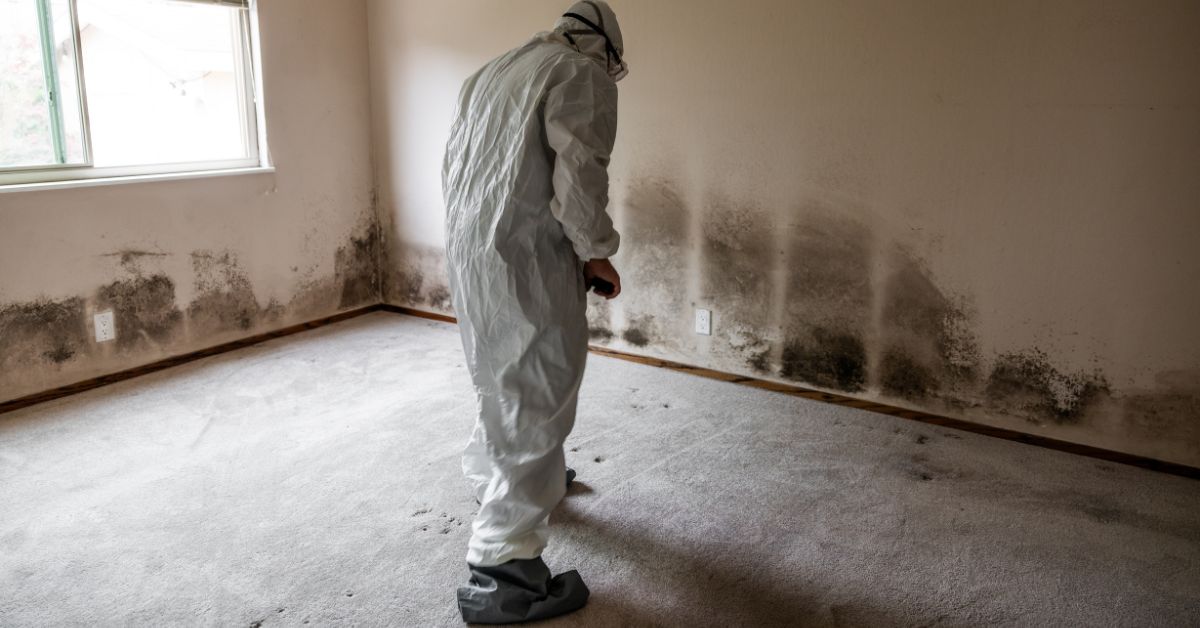
Mold mitigation, inspection, or remediation is the hands-on process of removing mold, cleaning the space, controlling moisture, and restoring your home environment to a safe, usable condition. Mitigation is corrective, not just diagnostic.
In short: testing tells you what might be there, while mitigation does something about what is there—and what caused it.
Why Trinity Services Focuses on Inspection and Mitigation
Since mold testing can introduce potential conflicts of interest or misinterpretation, Trinity Services instead emphasizes a robust inspection and remediation approach. Rather than simply sampling mold and handing you a report, we perform a detailed inspection to pinpoint visible mold, hidden moisture sources, and structural vulnerabilities—and then follow with a remediation plan tailored to your home.
Trinity’s team holds IICRC and MICRO Mold Certification, which means we bring industry-standard training and experience to every mold job. Whether it’s water intrusion from a leaky roof, plumbing failure, or condensation and high humidity, our process starts with finding and understanding the “why” behind mold growth so remediation isn’t just cosmetic—but effective.
What Mold Inspection Entails
A mold inspection from Trinity includes:
- A physical assessment of affected and potentially affected areas (walls, ceilings, attics, crawl spaces, basements, HVAC ductwork), looking for visible mold, water stains, moisture intrusion, or persistent dampness.
- Checking for musty odors, signs of water damage, or conditions conducive to mold growth—things like condensation, discoloration, warping materials, or persistent humidity.
- Moisture mapping and evaluation of ventilation, drainage, and building envelope integrity to identify how moisture entered or became trapped.
- A recommendation for remediation steps that address not just the mold itself, but the moisture source and any water damage contributing to mold growth.
By evaluating both the mold and the moisture issue together, Trinity develops a tailored mitigation strategy rather than simply prescribing a “mold removal” remedy.
Why Mitigation Matters (and What It Looks Like)
Once inspection identifies the problem, remediation can begin. Mitigation typically involves several coordinated steps:
- Containment and isolation of the affected area to prevent mold spores from spreading throughout the home.
- Removal of mold-infested materials—sometimes drywall, insulation, carpeting, wood, or other porous building materials must be removed and discarded safely.
- Drying, dehumidifying, and restoring the moisture-controlled environment that allowed mold to grow in the first place. This might include drying equipment, increased ventilation, or repairs to leaks or drainage.
- Cleaning and sanitizing or encapsulating surfaces so that lingering spores or mold fragments are addressed without further contamination.
- Repairing or rebuilding any damaged materials, finishing wallboard, repainting, replacing flooring, or otherwise restoring the space to its pre-mold condition.
- Follow-up inspection and monitoring to verify that moisture levels are stable and mold is not recurring.
Mitigation is a full-service, holistic process: addressing root causes, removing mold and water damage, and restoring the home in a way that guards against a return of mold.
Why Mold Testing Isn’t Always the First Step
There are several reasons that Trinity Services doesn’t promote mold testing as its first – or only – step:
- Mold spores are virtually everywhere. Finding spores doesn’t always mean you have a serious mold problem—or a moisture problem. A test without inspection and remediation planning can lead to unnecessary alarm or expense.
- Mold testing can’t fix moisture. If mold testing reveals spore counts without addressing leaks or humidity, mold can—and likely will—return. Remediation without moisture control is often only a temporary fix.
- A company that does both testing and remediation might have an incentive to push costly cleanup solutions based on testing results. Trinity believes in focusing on inspection, transparent moisture diagnostics, mitigation, and long-term outcomes, not simply reacting to test results.
- Regulatory guidance and best practices point to inspection, moisture assessment, and remediation as the most effective path for dealing with mold—not just collecting samples and hoping cleanup will follow.
When to Call Trinity Services
If you notice visible mold, water stains, musty odors, condensation, warped drywall, or unexplained humidity and moisture in your home or business, the first step is an inspection—a detailed, hands-on assessment of visible mold, moisture intrusion, and contributing damage.
From there, Trinity Services can create a remediation plan that includes moisture control (repair leaks, improve drainage, stabilize humidity), safe removal of mold-infested materials, and full restoration of the affected area. Trinity brings certified expertise and restoration experience to every step of the process.
Even if lab testing or air sampling has already been done elsewhere, a professional inspection and targeted mitigation strategy are what ultimately resolve mold issues—not just numbers on a report.
Trust Trinity Services for Mold Mitigation Done Right
Mold testing can play a role in diagnosing indoor air quality or confirming spore levels, but it isn’t a cure. Mold mitigation—especially when performed by a certified, experienced restoration team—addresses both the mold and its underlying causes, often delivering a more practical, long-term solution.
At Trinity Services, mold inspection and remediation are core offerings. We believe the best approach is to find the moisture source, remove mold safely and completely, restore affected materials, and help homeowners and businesses regain healthy, dry, and stable environments. In a mold situation, remediation anchored in inspection and moisture control isn’t just better—it’s smarter.
Call (865) 459-2365 to schedule mold mitigation today or contact us online.